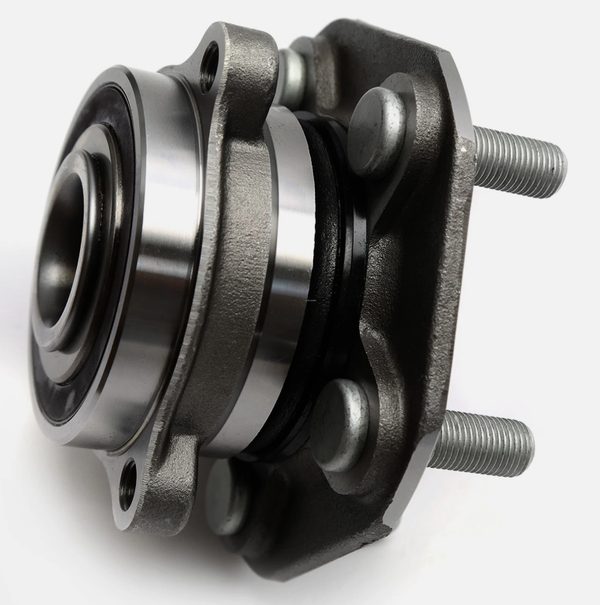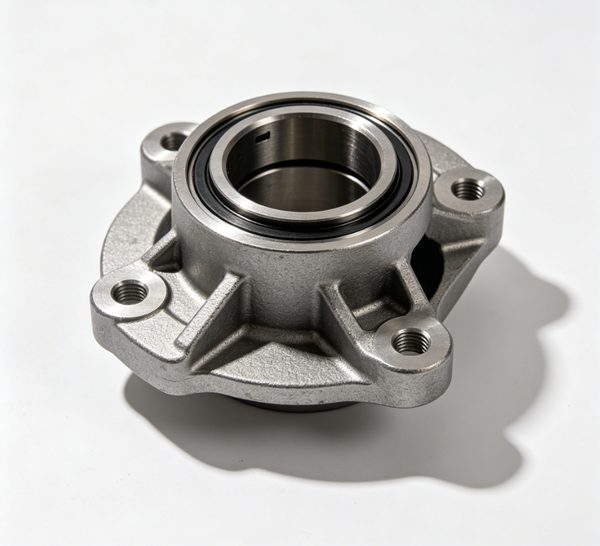


The electrosurgical electrode holder body is the handpiece end of a bipolar or monopolar instrument. It grips the electrode tip, carries the current path and the insulated bore, and isolates the surgeon’s hand from the return path while the generator cycles at high frequency. Buyers fight two problems: insulation creep that lets the shaft loosen after repeated autoclave cycles, and sharp internal corners that collect carbonized tissue. Ningbo Ruican casts the holder body with radiused internal geometry, machines the electrode seat and insulation bore concentric, and passivates the surface so the assembly stays cleanable and dimensionally stable over its service life.
Specifications
| Parameter | Specification |
|---|---|
| Casting process | Silica sol lost wax investment casting with cored insulation bore and radiused internal corners |
| Material options | AISI 316L, 17-4PH (H900 / H1025), AISI 420 |
| Dimensional tolerance (ISO 8062-3 CT grade) | CT5 as cast; CT4 on electrode seat and insulation bore after machining |
| Machining | CNC turning of the bore, 4-axis milling of the grip flats, drilling of the lead wire port, deburring |
| Surface finish (Ra) | Ra 0.8 um machined on the electrode seat and bore; Ra 1.6 um exterior; electropolish optional |
| Weight range | 20 g to 120 g per holder depending on shaft diameter and cable entry |
| Typical lead time | Tooling 4-5 weeks; first article 2-3 weeks after tooling; production 5-6 weeks |
Key features
- Cored insulation bore with radiused corners removes the sharp internal step where carbonized tissue collects in drilled holders.
- Electrode seat and bore machined concentric in one setup, holding alignment within 0.03 mm so the tip sits true in the instrument shaft.
- Uniform wall section around the bore limits insulation creep and keeps the grip retention stable through repeated autoclave cycles.
- 316L body gives corrosion resistance against saline and cleaning chemistry, passivated per ASTM A967 before packing.
- Optional electropolished exterior at Ra 0.4 um for a surface that wipes clean and resists discolouration from repeated generator use.
- Laser marked part number, polarity and lot code applied after passivation for traceability in hospital inventory systems.
- First article with CMM report, bore gauge results, surface finish measurement and dielectric or continuity test support to the customer’s method.
Applications
- Bipolar forceps and bipolar cutting electrode holder bodies.
- Monopolar pencil handpieces and blade electrode holders.
- Laparoscopic and endoscopic electrosurgical instrument shafts.
- Arthroscopic ablation and coagulation probe holders.
- Electrosurgical generator cable connector bodies and adapters.
- Veterinary and dental electrosurgery handpiece holders.
Quality & compliance
Ningbo Ruican is not an ISO 13485 contract manufacturer. It supplies cast and CNC-machined components in 17-4PH (H900/H1025), AISI 420 and AISI 316L together with project-level documentation under the customer’s Quality Agreement, including material traceability and ISO 10993-5 biocompatibility test support. Electrical safety performance of the finished instrument remains the device manufacturer’s responsibility; we supply the mechanical body with dimensional, material and surface evidence, and support dielectric or continuity testing to the method defined in your specification.
FAQ
Can you hold concentricity between the electrode seat and the bore?
Yes. Both features are machined in one datumed setup after heat treatment, holding alignment within 0.03 mm, and we report concentricity on the first article and on production samples at the frequency agreed in the control plan.
How do you avoid sharp internal corners that trap tissue?
The insulation bore is cored during casting with a radiused transition, then finished by turning rather than drilling. This removes the internal step at the bore bottom and produces a continuous radiused surface that is easier to clean and inspect.
Do you supply the insulating sleeve as well?
We supply the metal holder body and can machine the mating metallic ferrule or sleeve. Polymer insulation is usually sourced by the customer or their molder, and we will share bore dimensions and tolerances so the sleeve supplier can match the interface.
Which material is best for a reusable bipolar holder?
AISI 316L is the common choice for corrosion resistance and cleanability in reusable bipolar holders. Where the grip thread needs higher wear resistance, 17-4PH H900 is available, with the same passivation and optional electropolishing route.
Can you test dielectric strength?
We can support dielectric and continuity testing to the method, voltage and duration defined in your specification, using your fixtures or equipment we source to your requirement. The test result is reported with the lot; electrical safety certification of the finished device stays with you.
What is the minimum order for a new holder design?
We accept prototype and pilot quantities from a single tooling set, then scale to production volumes with multi-cavity tooling once your volume justifies it. Tooling is maintained and stored for repeat orders, and we can hold agreed safety stock against a released schedule.
CTA
Send your electrosurgical electrode holder drawing or sample for a DFM review, bore tolerance study and quotation. Contact Wendy She — sales@cnsandcasting.com — WhatsApp +86-13777124360, or visit https://cnsandcasting.com to start your electrosurgical instrument program with Ningbo Ruican.